

C-01
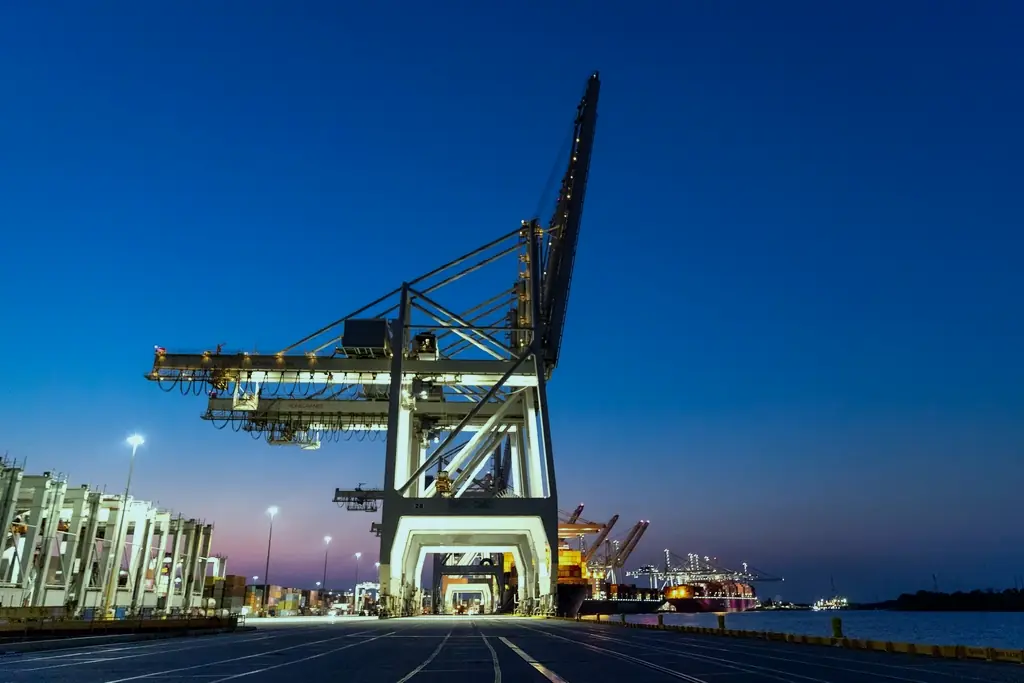
Sea freight
- Speed
- Longer transit
- Volumes
- Large volumes, heavy or bulky goods
- Nature of the goods
- Suits goods that are not urgent
- Relative cost
- Usually cheaper per kilo
Sea and air freight, warehousing abroad and customs clearance for importers and exporters.
With a team bringing more than two decades of expertise in import and export, sourcing, warehousing and load management.
Vivialogistics handles the transport of goods by sea or by air, international warehousing with a tracking platform and customs clearance, meaning the formalities linked to import and export. Three services, one team: a 360 logistics service for your international shipping, from freight transport to customs transit.
Vivialogistics offers a transport service suited to your needs and to the nature of your products, through its world-renowned partners.
Request a quoteYour goods can be stored in one of our international warehouses, with a tracking platform at your disposal.
Request a quoteWe handle the administrative formalities of importing and exporting goods, by the book.
Request a quoteA 360 service that takes complete care of your projects in the best possible conditions.
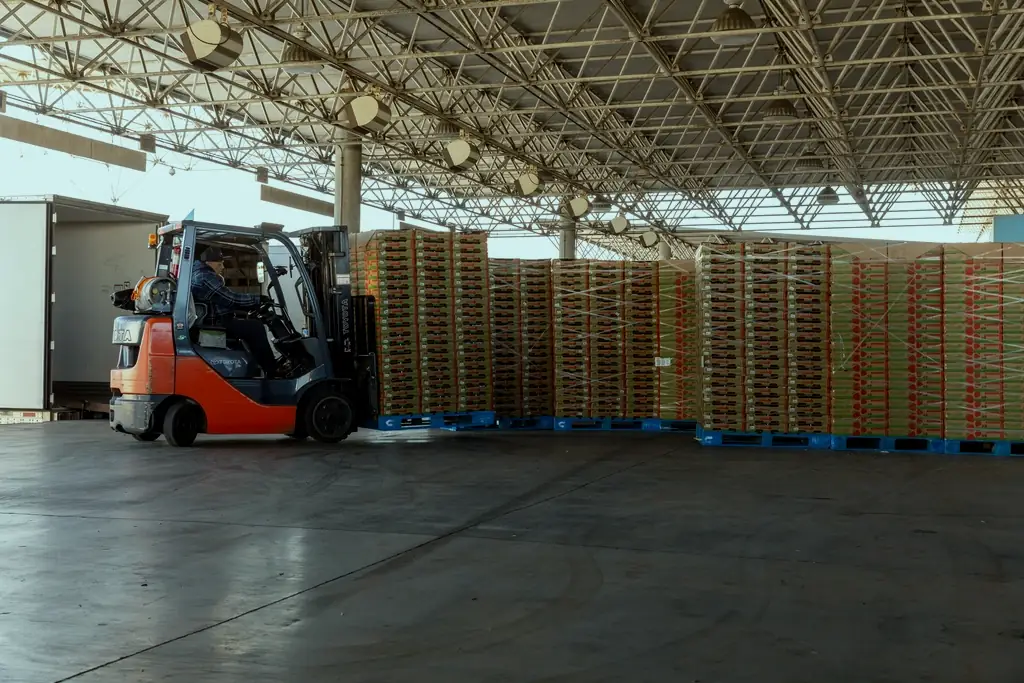
Goods are taken in charge at the supplier’s or the departure warehouse.
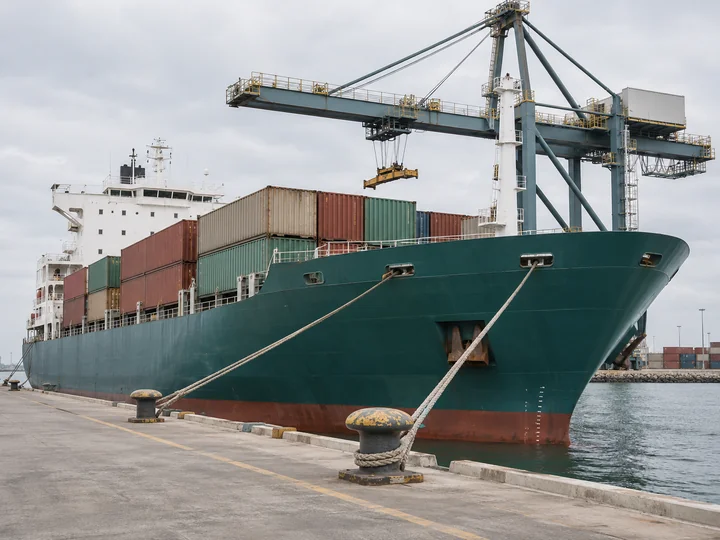
Carriage by sea or by air, depending on the nature of your products.
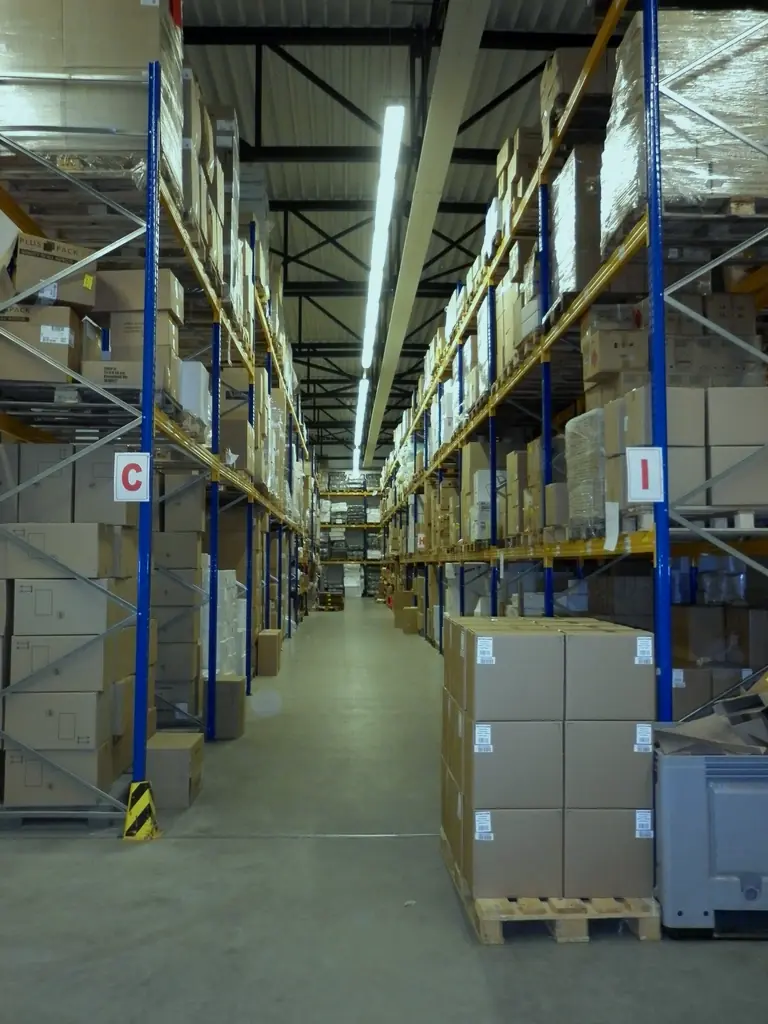
Storage in one of our international warehouses, with a tracking platform.
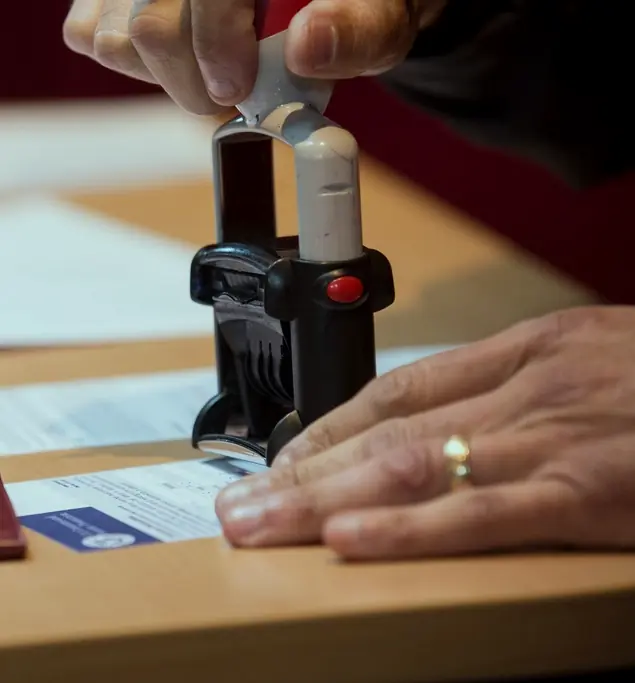
We handle the administrative formalities linked to import and export.
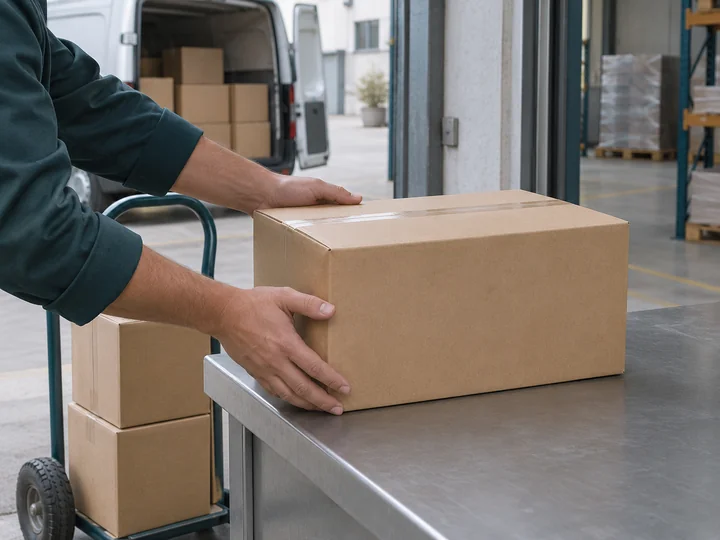
Delivery of the goods to the agreed address.
Why choose Vivia? International logistics takes a network of reliable transport partners, careful study of every detail and consultants who take your projects in charge. Our team, with more than two decades of import and export expertise, supports Moroccan importers and exporters from start to finish.
Whether warehouses or transport companies, local or international, our trusted network is at your disposal.
A supply chain is a process that calls for careful study of every detail and every stakeholder.
A multidisciplinary, responsive and skilled team to support you whatever the size of your project: in our consultants you will find trusted advisers who bring success.
Our pool of expertise covers import export logistics advice, sourcing and load management. An import export logistics consultant supports your project before any step: the team’s import export expertise helps choose the right transport mode, prepare the customs file and organise storage.
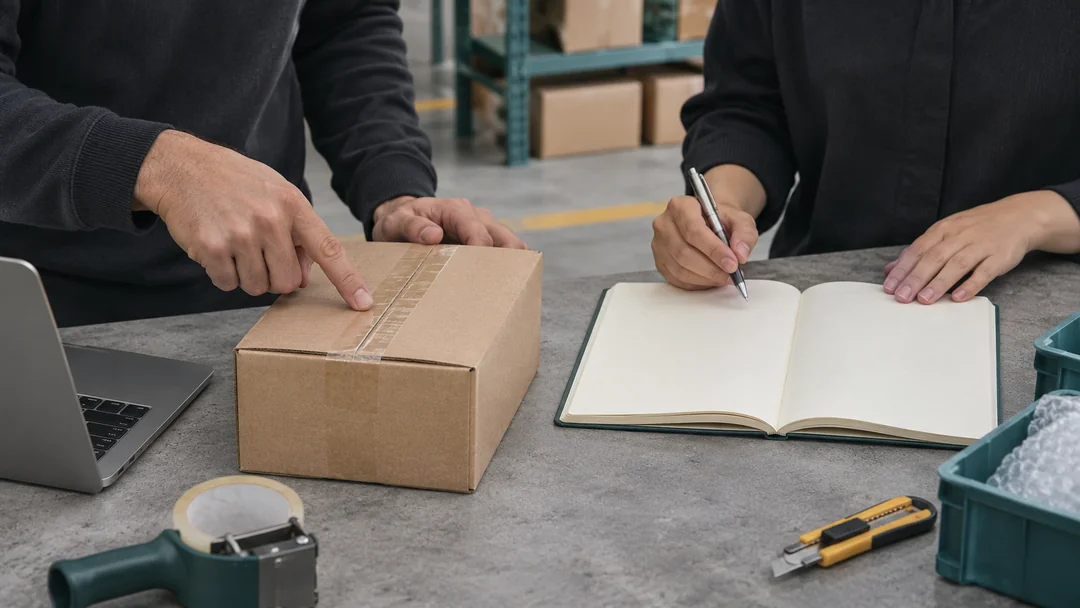
The core of our business: guiding you before any step. The diagnosis is free.
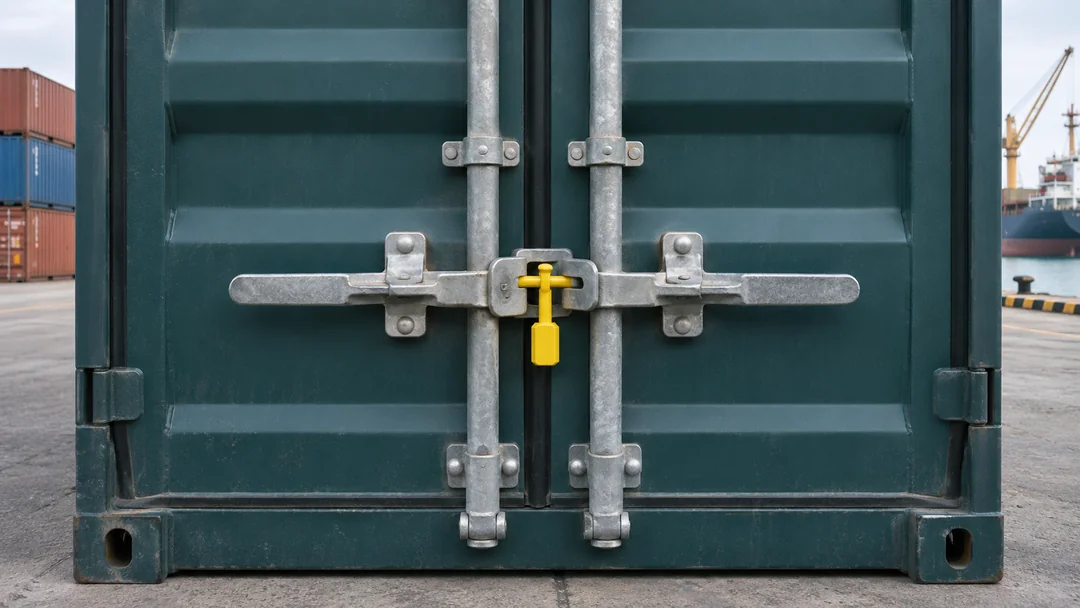
More than two decades of expertise in import and export.
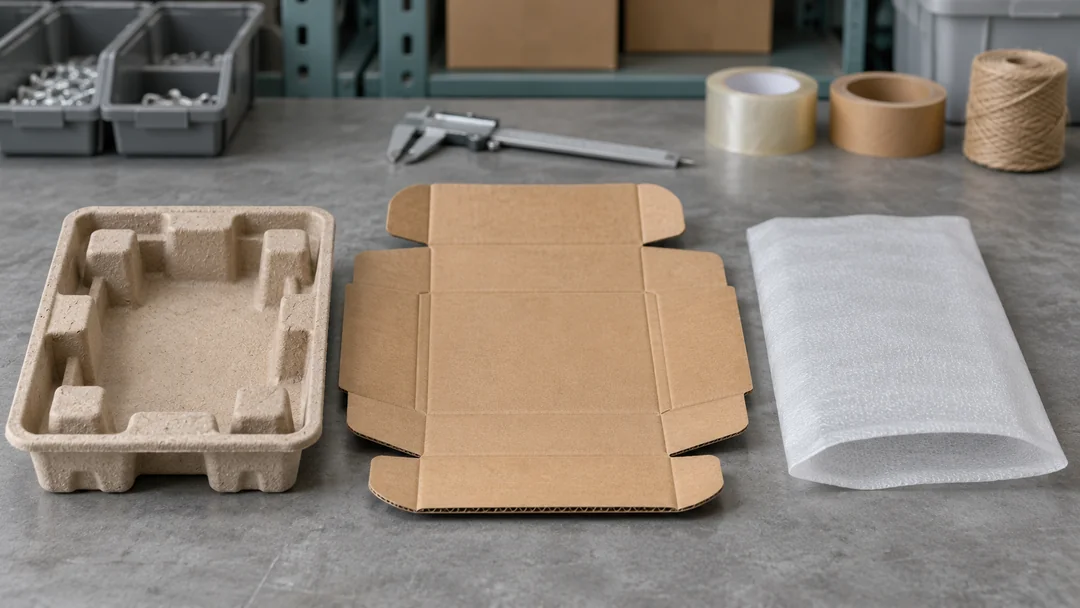
Expertise that also supports your sourcing.
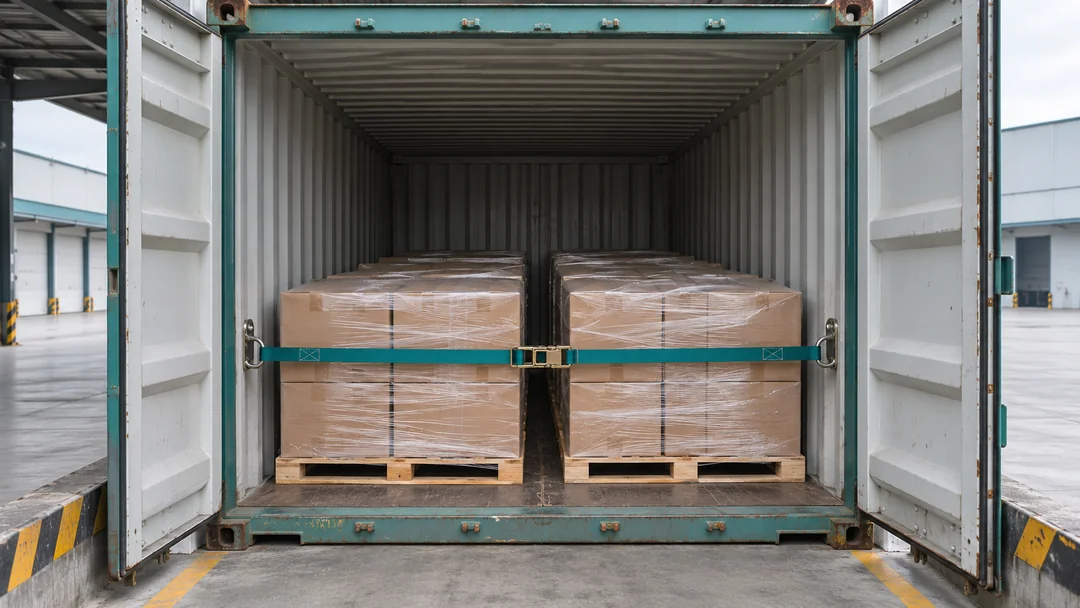
Expertise in load management, for complete care of your projects.
AI-generated illustrations.
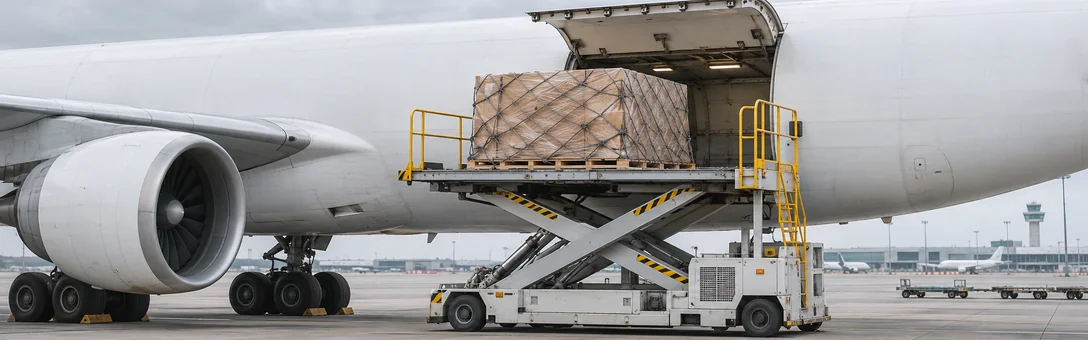
Sea freight or air freight? The choice depends on your goods, the volume and your schedule. Sea freight generally suits large volumes, heavy goods and non-urgent shipments; air freight suits urgent shipments and fragile or valuable goods. To decide case by case, take the free logistics diagnosis.
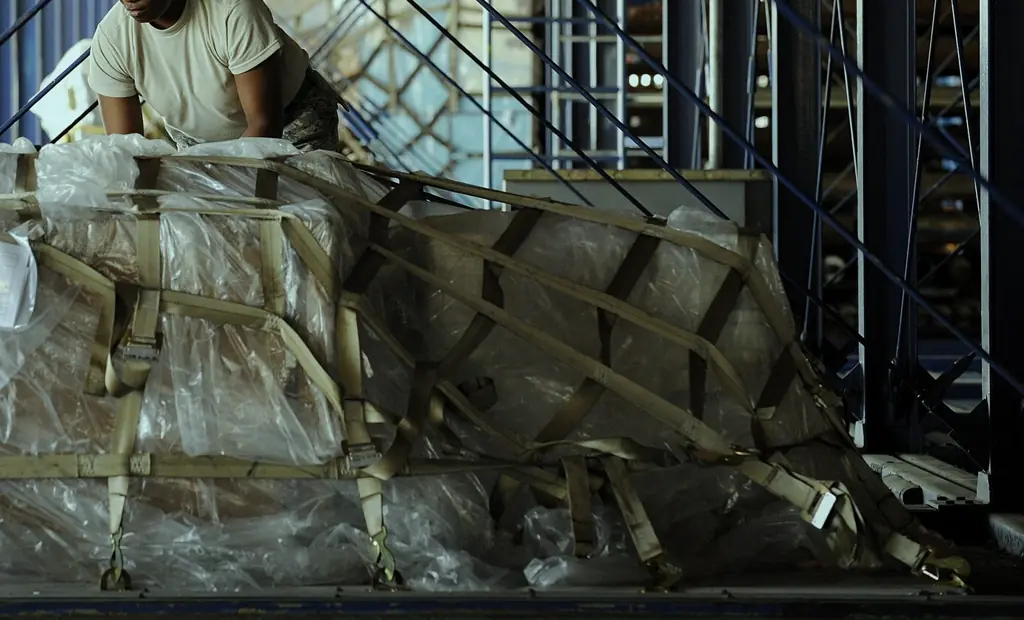
This comparison is qualitative: no transit time or price is announced here, as they depend on the route, the goods and the season.
Start the free diagnosisYour goods can be stored in one of our international warehouses, with a tracking platform at your disposal.
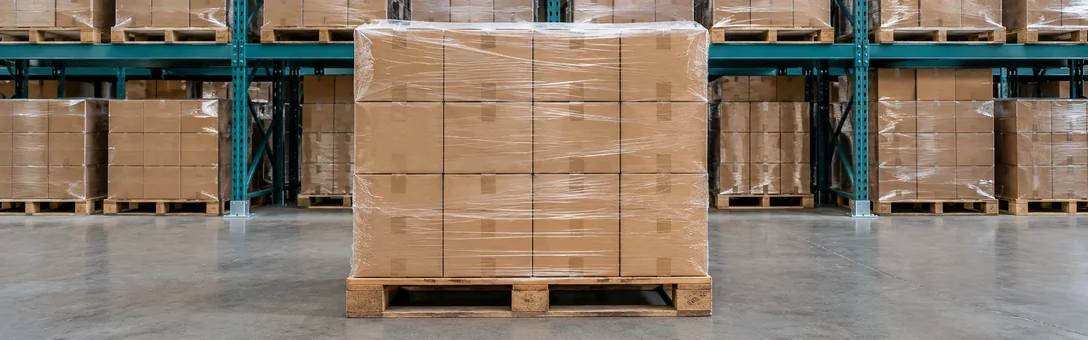
International warehousing with tracking meets a simple need: storing goods abroad, in an international warehouse, with a goods tracking platform that our consultants make available to you.
Illustrative example
The main steps of goods in a warehouse:
The goods arrive and are checked.
They are put away at a marked location.
Tracking is available through the platform.
They are prepared, then shipped to their destination.
Illustrative example: the statuses and information actually shown on the tracking platform are presented to you by our consultants.
Import export customs clearance relies on a file of documents: commercial invoice and packing list, sea bill of lading or air waybill, certificate of origin and customs declaration. Here are the documents to clear goods through customs; the exact list depends on the goods, the country and the customs procedure. We take charge of these customs formalities as part of customs transit.
Issued by the seller, it describes the goods and their price; it is the basis for the customs value.
It details the contents of each package, with weights and dimensions, and lets the goods be checked.
Issued by the carrier: the sea bill of lading or the air waybill confirms that the goods have been taken in charge and records the contract of carriage.
It states the country of origin of the goods; it may be required to apply a tariff treatment.
It declares the goods to the customs administration for the chosen procedure; duties and taxes are calculated from it.
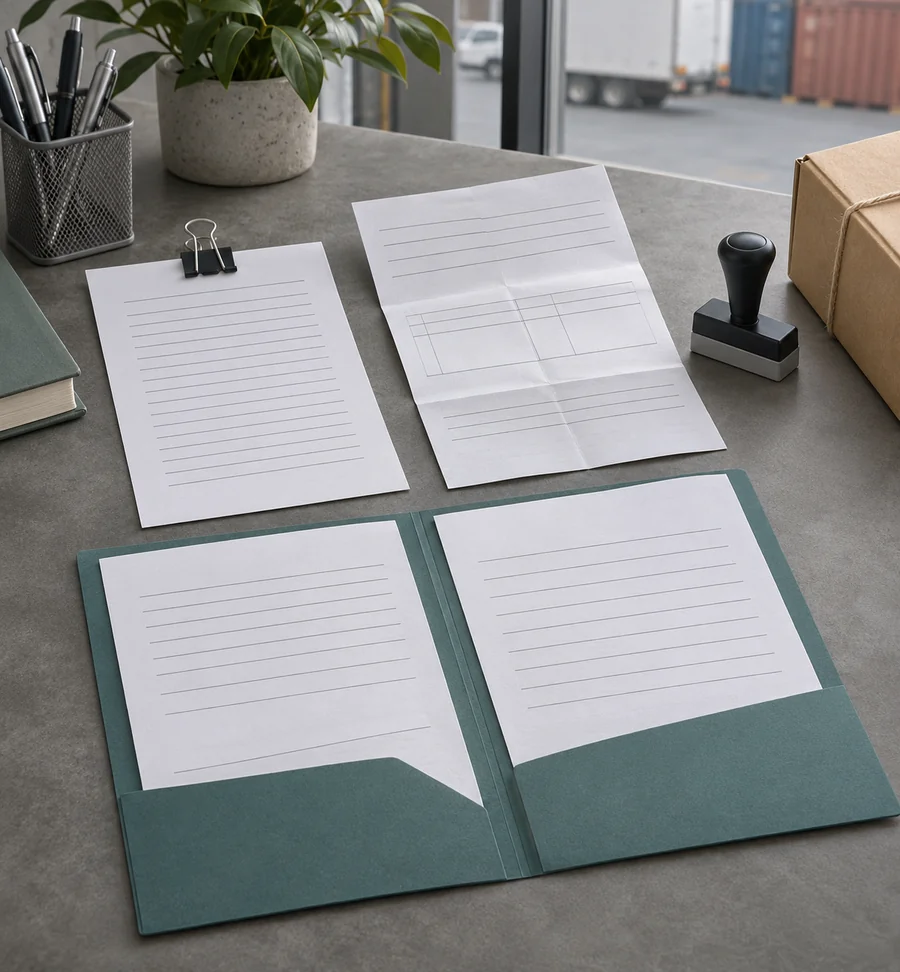
Other documents may be requested depending on the goods (licences, health or conformity certificates). A consultant tells you which ones apply to your case.
Request a diagnosisThe Incoterms® of the International Chamber of Commerce (ICC) set out, in a sales contract, who pays what: transport, customs clearance, duties and taxes, and when risk passes from seller to buyer. Here are five common terms of Incoterms 2020, EXW, FOB, CIF, DAP and DDP, in simplified form.
| Term | Main carriage | Export clearance | Import clearance and duties | Transfer of risk |
|---|---|---|---|---|
| I-01EXWEx Works | Buyer | Buyer | Buyer | At the seller’s premises, goods made available |
| I-02FOBFree On Board | Buyer | Seller | Buyer | On board the vessel, at the port of shipment |
| I-03CIFCost, Insurance and Freight | Seller, insurance included | Seller | Buyer | On board the vessel, at the port of shipment |
| I-04DAPDelivered at Place | Seller | Seller | Buyer | At the agreed place of destination, ready for unloading |
| I-05DDPDelivered Duty Paid | Seller | Seller | Seller | At the agreed place of destination, ready for unloading |
FOB and CIF apply to sea and inland waterway transport only. The named place is part of the term (for example FOB followed by a port) and the sales contract prevails: this table is a simplification. Source: Incoterms® 2020 rules, ICC.

Advice is the heart of our business. Our customer service will be glad to answer all your questions before you take any step. Do get in touch: the diagnosis is free.
We are not just a logistics provider, we are a pool of skills serving your projects.
All our clients benefit from our team’s 100 % involvement. We make sure each of you is treated and served as you should be. Vivialogistics is a blend of knowledge, know-how and people skills that will impress you.
Four questions to prepare your request: we pre-fill the request form and a consultant gets back to you. The diagnosis is free.
The questions importers and exporters ask most often about sea and air freight, warehousing, customs clearance and documents. Another question? The free logistics diagnosis is there to guide you.
Request a diagnosis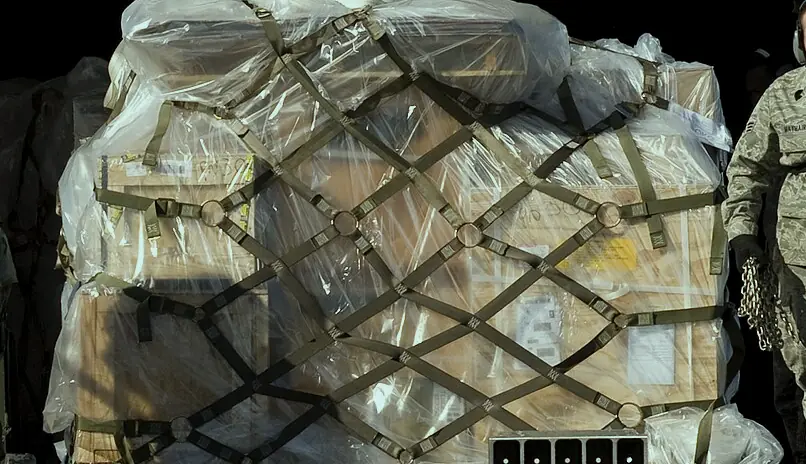
The usual documents are the commercial invoice, the packing list, the bill of lading or air waybill, sometimes a certificate of origin, and then the customs declaration. The exact list depends on the goods and the customs procedure: a consultant tells you which ones apply to your case.
It depends on the nature of the goods, the volume and your schedule. Sea freight generally suits large, non-urgent volumes; air freight suits urgent or valuable shipments. The free diagnosis settles each case.
Yes: your goods can be stored in one of our international warehouses, with a tracking platform.
For goods stored in our warehouses, a tracking platform is made available to you. Our consultants show you how it works.
Yes: we handle the administrative formalities linked to the import and export of goods, by the book.
They are rules of the International Chamber of Commerce that set out, in a sales contract, who arranges and pays for transport and customs clearance, and when risk is transferred. See the table above.
It is a first conversation with a consultant to understand your import or export project and guide you before any step. It is free. The four-question diagnosis on this page prepares your request.
By phone on +212 5 22 053 119 or by e-mail at contact@vivialogistics.com, Monday to Friday from 9:00 to 18:00, or with the request form below.
Customs transit is a procedure that lets goods move under customs control without paying duties and taxes immediately. At Vivialogistics, this service also covers handling the administrative formalities linked to import and export.
Customs clearance covers the formalities by which goods are declared to customs, then allowed to enter or leave a territory once the duties and taxes due have been paid. It relies on a file of documents (see above).
The bill of lading is the document issued by the sea carrier: it confirms that the goods have been taken in charge and records the contract of carriage. Depending on its form, it can also act as a document of title.
The air waybill (AWB) is the air transport document: it confirms that the goods have been taken in charge and records the contract of carriage. Unlike the bill of lading, it is not a document of title.
A certificate of origin is a document that states the country of origin of the goods. It may be required on import to apply a tariff treatment; a consultant tells you whether your goods are concerned.
Want to talk with us? Find out about import and export procedures, or ship your goods? Feel free to get in touch.